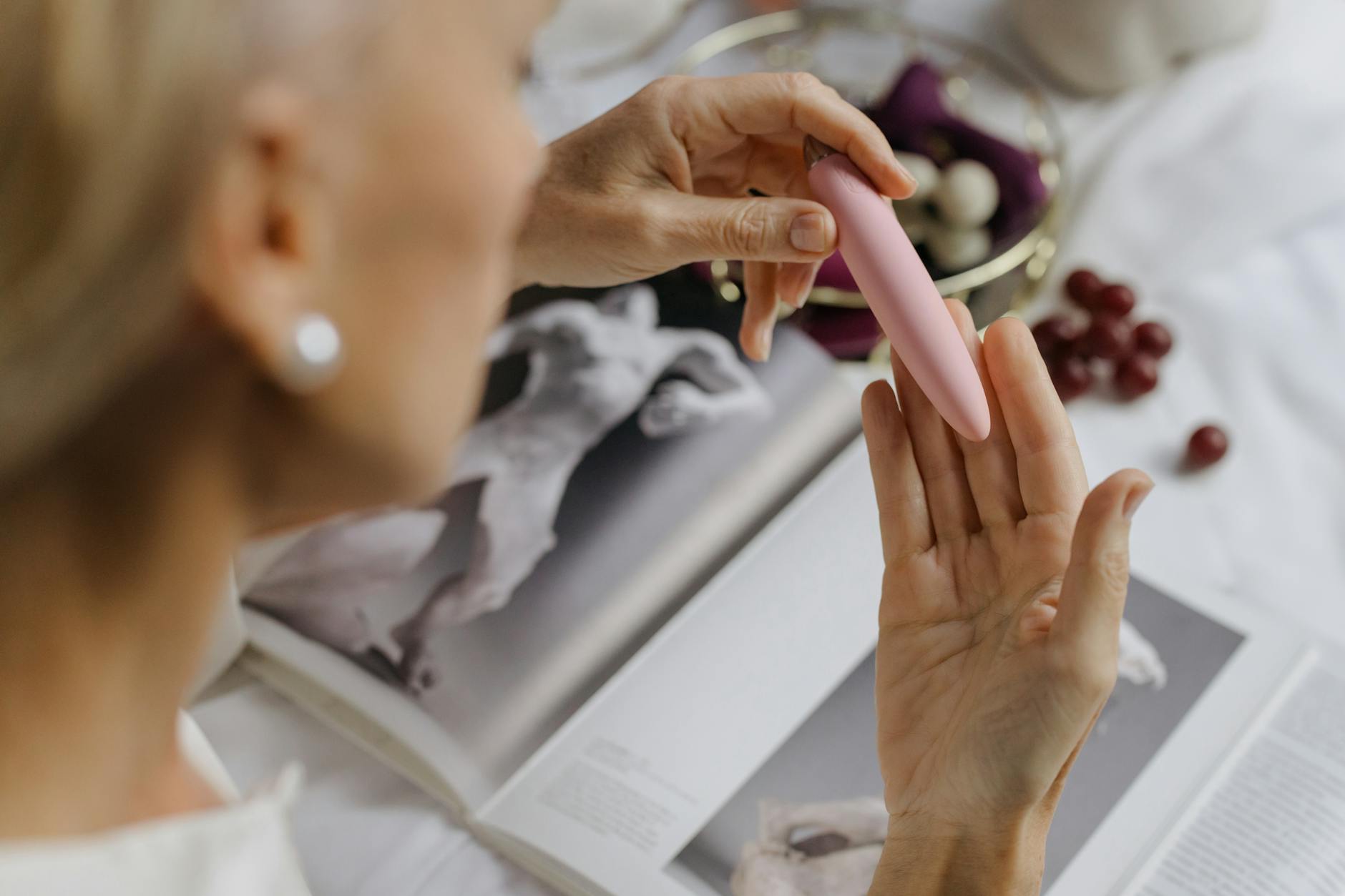
How to Use Lemon Vibrators When You Have Reduced Vaginal Lubrication
Natural lubrication changes don't stop pleasure. Here's what actually shifts, why lemon clitoral vibrators work differently, and the small tweaks that make everything easier.
Reduced vaginal lubrication is one of those shifts nobody really warns you about. It happens for a lot of reasons. Hormonal birth control. Perimenopause or menopause. Certain medications. Stress and life changes. Sometimes it's temporary. Sometimes it sticks around. The thing is: it's incredibly common, and it doesn't mean your body is broken or that pleasure stops.
What does change is the mechanics. Your tissues thin slightly. Friction feels different. Arousal takes longer to build. And penetrative sex (if that's part of your practice) can feel uncomfortable without help. But here's what doesn't change: your clitoral nerve density, your capacity to orgasm, or your right to explore what feels good.
That's where lemon clitoral vibrators enter the conversation. The way they work with your body makes them particularly useful when lubrication shifts.
Most vibrators work through direct friction and rapid pulse. Lemon clitoral vibrators like The Lem work differently. They use gentle suction patterns instead of aggressive vibration. This distinction matters when your tissues are more delicate.
With reduced lubrication, direct friction can feel too intense or even uncomfortable on thinner tissue. Suction stimulates the nerve endings without creating the same mechanical pressure. It's like the difference between scratching your arm with your fingernail versus gently pulling the skin. Both create sensation, but through completely different mechanisms.
This is why many people with hormonal changes report that lemon sexual toys feel better than traditional vibrators. The suction approach adapts to what your body actually needs right now.
Let me be direct: you're not going to navigate reduced lubrication without external lubricant. That's not failure. That's just physics. Water-based lubes are the safest choice for silicone toys, and they make the entire experience smoother.
Here's the important part. Don't skimp. Use enough that you feel the glide without friction. Aim for a generous dollop, not a thin film. The lemon clitoral vibrator glides better with plenty of lube, and your tissues will thank you. Reapply as needed. If the lube starts to feel tacky, add more rather than letting it dry out.
One more thing: some people use lube only when things feel uncomfortable. Actually, using lube as a standard part of your ritual takes the pressure off. You're not waiting until pain appears. You're creating the conditions for comfort from the start.
When you have reduced lubrication, rushing doesn't help. Your body needs time to respond. This isn't a flaw in your system. It's actually an invitation to slow down.
Plan for 15 to 25 minutes before you bring the toy in. Touch yourself. Use your hands. Let your attention settle into what feels good. Breathe. This isn't foreplay in the traditional sense. It's genuine exploration, and it works with your body instead of against it.
When you introduce The Lem or another lemon adult toy, start at a lower intensity setting. Most start at pattern 1 or 2. Stay there for a few minutes. This gives your tissue time to wake up and your nervous system time to tune in. Gradually increase intensity if you want to. You're in charge.
One more rhythm shift: pause between patterns. Don't chase the next sensation immediately. Sit with what's happening. Your nervous system will process better, and you'll actually feel more.
When tissues are thinner, angle becomes crucial. Direct pressure on the clitoris can feel sharp rather than pleasurable. Try positioning The Lem slightly to the side or at a gentle angle rather than straight on. Many people find that angling the suction toy slightly down or to one side creates a broader, deeper sensation that feels better than direct centered pressure.
You might experiment with different positions too. Some people find lying down creates less friction and feels more comfortable. Others prefer sitting or kneeling because gravity works differently. There's no right answer. The goal is finding what lets your tissues stay comfortable while you access pleasure.
If something starts to feel uncomfortable mid-session, pause. Adjust position or angle. Add more lube. The point is responsiveness, not pushing through discomfort.
Here's something that shifts with reduced lubrication: direct stimulation sometimes feels too intense because the tissue is more sensitive without the same natural protection. The clitoral hood (the fold of skin that naturally covers the clitoris) becomes useful.
Try using The Lem through the hood rather than pulling it back completely. This creates a buffer that many people find more comfortable. You still get stimulation, but it's softer and less direct. Some people naturally do this. Others experiment until they find what works.
If you're used to direct clitoral stimulation and this feels like a step backward, it's not. It's a different pathway to the same destination. Your body isn't less sensitive. It's differently configured right now.
If you have a partner and you're experiencing reduced lubrication, talk about it directly. Not during sex. Before. "My body is responding differently right now. Here's what helps." That conversation is essential.
Many partners assume reduced lubrication means reduced desire or attraction. It doesn't. It's a body change, not a relationship change. Being clear about that prevents a lot of unnecessary hurt. Then you can actually plan together. Maybe your partner applies lube while you use The Lem. Maybe you use the toy alone first to warm up, then transition to partnered touch. Maybe penetration takes a back seat for a while and you focus on other kinds of pleasure.
The point is: reduced lubrication doesn't have to be a barrier to partnered pleasure. It just means the pathway changes.
If reduced lubrication is paired with pain, burning, or itching, see a healthcare provider. These can signal atrophy, infection, or other treatable conditions. Genitourinary syndrome of menopause (GSM) is real, and topical estrogen cream works quickly for many people.
You don't have to just live with uncomfortable dryness. A good menopause-informed doctor or gynecologist can help. And while you're working with treatment, lemon clitoral vibrators still make sense as part of a pleasure practice.
Also worth knowing: regular sexual activity (solo or partnered) actually helps stimulate blood flow and natural lubrication over time. It's not a quick fix, but pleasure itself is part of the solution.
Something people don't always talk about: your brain and nervous system adapt to changes in sensation. When lubrication shifts, everything feels different. Pleasure might seem farther away at first.
Give yourself time. Explore without an orgasm target. Use lemon sexual toys as a way to understand your body right now, not to fix it. Most people find that after a few weeks of regular, pressure-free exploration, sensation normalizes. Your nervous system recalibrates. What felt distant becomes accessible again.
This is also why having a partner say "don't worry, we'll figure it out" actually helps more than you'd expect. Pressure dissolves when someone else is genuinely present with the change.
Yes, absolutely. In fact, lemon clitoral vibrators are often easier on delicate tissue than traditional vibrators because suction creates gentler stimulation. The key is using water-based lubricant generously and starting at lower intensity. Your tissues are more delicate right now, which just means being thoughtful rather than stopping entirely.
Use enough that you feel glide without friction. For most people, that's roughly a teaspoon to a tablespoon, depending on the toy and your preference. Reapply as it dries out. Tacky lube isn't doing the job anymore. This isn't about using a lot for the sake of it. It's about creating frictionless movement.
No. Using lube is normal, healthy, and practical. Plenty of people use lube regardless of their lubrication level. It's not a sign of dysfunction. It's a tool that makes pleasure accessible.
Maybe, depending on the cause. If it's stress or hormonal birth control, it often improves when the stressor shifts. If it's perimenopause or menopause, natural lubrication may stay lower, but that doesn't stop pleasure. And remember: your body is responding to something. Understanding what that something is helps. Talk to your doctor if you want clarity on what's driving the change.
No. If anything, this is a moment to experiment more thoughtfully. Lower intensity, longer warm-up, more lube, different angles. These adjustments often make lemon sexual toys feel better than they ever have. Your pleasure isn't stopping. It's just shifting shape.
Not directly, but comfort does affect arousal. When you're tense because you're worried about friction, orgasm becomes harder to access. When you set up conditions that feel good (lube, right angle, The Lem's gentle suction), arousal often deepens. Many people find that their most satisfying orgasms come after they stop fighting their body's current reality and work with it instead.
Reduced lubrication feels like a problem because we're taught that bodies should respond a certain way. But your body isn't broken. It's changed. And lemon clitoral vibrators work differently than traditional vibrators specifically because they adapt to changes like this.
Use lube. Start slow. Explore angles. Breathe. Give your nervous system time. And remember that every adjustment you're making right now is information about what your body actually needs. That's not deprivation. That's intimacy with yourself.
If you're navigating this shift with a partner, that conversation about what's changed and what helps opens doors that have been closed for too long anyway. Most couples find that being honest about body changes actually deepens connection.
Your pleasure isn't ending. It's just asking you to pay attention. And that's when things often get better.
Ready to explore what works for your body right now? If you have questions about how to get started or what tools might help, reach out to us. We're here to help you navigate pleasure through every phase.