Let's talk about starting here
If you're picking up a vibrator for the first time after 50, you're not behind. You're not late. You're exactly where you need to be, and honestly, you might have better sex ahead of you than you did at 25. That's not motivational nonsense. That's what I see clinically all the time.
What changes after 50 is not your capacity for pleasure. What changes is friction, tissue thickness, and how quickly your body warms up. None of that is a problem. All of it is solvable.
What actually shifts in your body
Estrogen drops after menopause. That's the big one. Lower estrogen means vaginal tissue gets thinner and produces less natural lubrication. Your clitoris stays the same size, but the skin around it thins, which can make direct pressure feel too intense. The pelvic floor loses some elasticity and strength, which changes how orgasms feel. They often become more localized, sharper, less like a full-body wave.
But here's what doesn't change: your clitoral nerve endings. The pathways for arousal. Your brain's capacity for pleasure. Your ability to have orgasms. Some of my clients report the most intense orgasms of their lives happened after 50.
The difference is usually this. At 25, pleasure happened fast and automatically. At 50, pleasure requires intentionality. You have to choose it. And that choice, ironically, often makes it deeper.
Why lemon vibrators are ideal when you're starting out
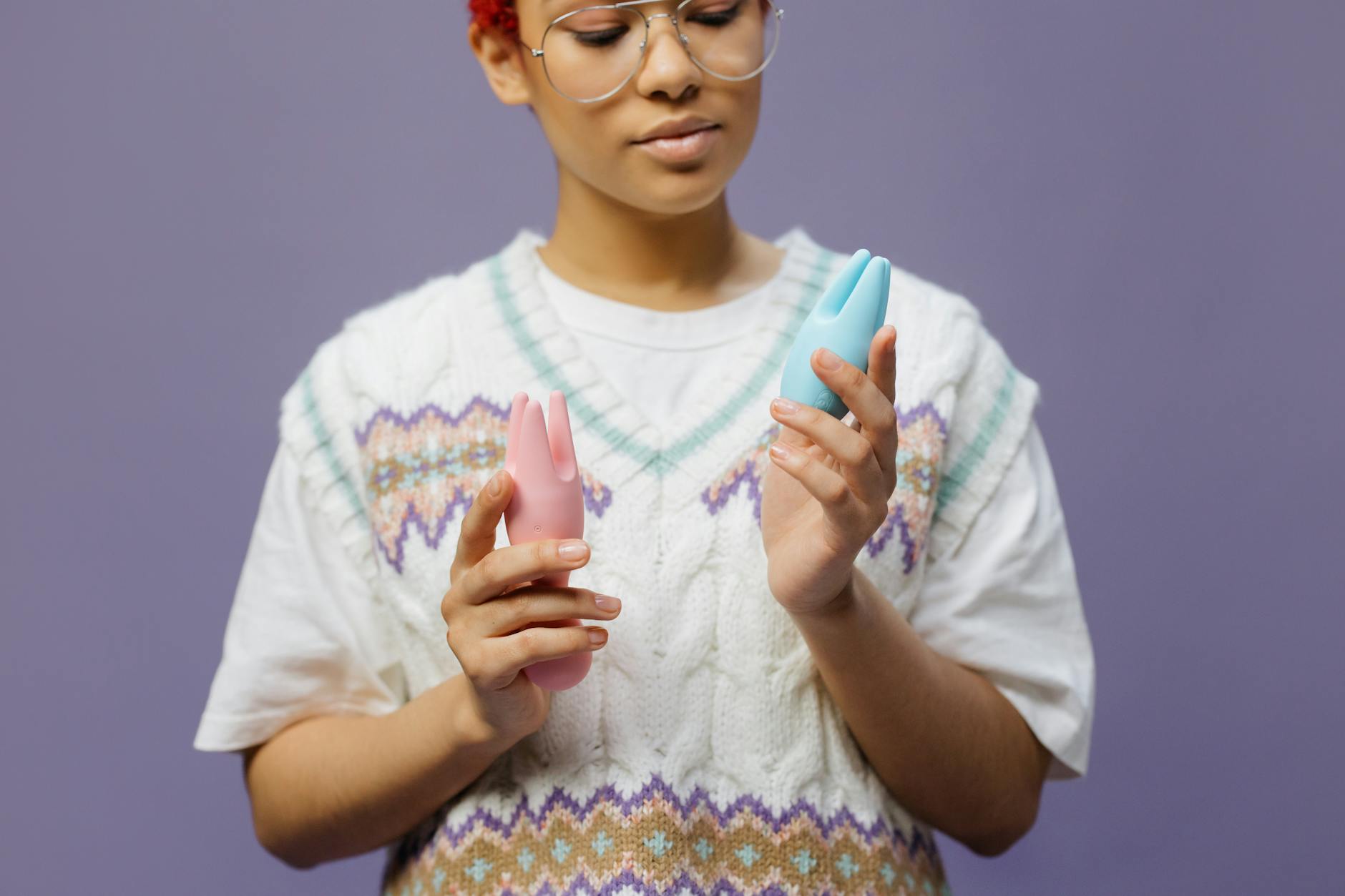
Lemon sexual toys like the Lemon work brilliantly for first-time users over 50 for three specific reasons.
First, air-suction design doesn't require direct pressure. Traditional vibrators use friction to stimulate. Air-suction vibrators like the Lemon use gentle pulsing waves that don't require the same mechanical intensity. This matters because thinner tissue around the clitoris is more sensitive and less forgiving of sustained friction. With a lemon clitoral vibrator, you get strong sensation without that pressure.
Second, the learning curve is forgiving. You can start at the lowest setting and work up. Most people discovering pleasure for the first time worry they're doing it wrong. With an air-suction design, there's no "wrong." You explore at your own pace.
Third, it feels different enough to be interesting. If you've tried a conventional vibrator before and found it overwhelming or uncomfortable, a lemon sucker vibrator will feel novel. That novelty matters psychologically when you're re-engaging with pleasure.
The three things your body needs right now
Water-based lubricant is non-negotiable. Not because anything is broken, but because your tissue is thinner and benefits from glide. Use it generously. Reapply during longer sessions. It's not a sign of dysfunction. It's a tool.
Longer warm-up time is your friend. Budget 20 to 30 minutes instead of five. Your body needs more time to build arousal after 50. This isn't a limitation. It's an invitation to slow down and actually pay attention to sensation instead of rushing to an outcome.
Start at the lowest intensity setting. With lemon vibrators, that usually means pattern one or two on your first few sessions. Your tissue is recalibrating. Ease into it. You can always increase intensity next time.
How to actually use a clitoral vibrator when you're starting out
Here's the practical part. Find a time when you're not rushed and you won't be interrupted. Privacy and time are everything.
Apply lubricant to the external clitoris area. Start the vibrator on its lowest setting. Hold it lightly against the clitoris, roughly where the visible tip is. Most people expect to press hard. You don't. Light contact with a good air-suction design delivers plenty of sensation.
Let your attention settle. Notice what the vibration feels like. Notice your breathing. This is meditation with a purpose. Your brain is rewiring. It's learning that this is safe and good and yours.
If something feels too intense, reduce pressure or turn down the pattern. If it feels like nothing, resist the urge to immediately increase intensity. Sometimes sensation takes 30 seconds to register. Sometimes it takes three minutes. Stay still and let your nervous system catch up.
If orgasm happens, great. If it doesn't, that's fine too. The point right now is connection, not outcome. Orgasm will follow naturally once your body remembers it's allowed to have pleasure.
What to expect in the first few weeks
Your first session might feel strange or uncomfortable. That's normal. Your body is experiencing something new. Your nervous system is skeptical. Give it time.
By session three or four, many people report that sensation sharpens. The nervousness quiets down. Your body starts anticipating the sensation instead of bracing against it.
Organisms might take longer than you expect, or they might not happen in the first few weeks. That's not failure. That's your body slowly reclaiming its own pleasure after years, possibly decades, of deprioritizing it.
If you're using a lemon vibrator for the first time and it doesn't feel right, check a few things. Are you using enough lubricant? Are you giving yourself enough warm-up time? Are you in a place where you feel safe and won't be interrupted? Sometimes the tool is perfect but the conditions aren't yet.
If you're exploring with a partner
There's often shame around introducing a vibrator into a partnership, especially if you're doing it for the first time at 50. Here's the truth. A vibrator isn't competition. It's an addition. It's usually a sign that you're taking your pleasure seriously, which is sexy to most partners.
If your partner is curious about being involved, that's wonderful. If you want to explore solo first, that's equally valid. Solo exploration lets you learn your own body without anyone else's preferences in the mix. You can always bring a partner in later.
If your partner isn't interested in toys, that's a separate conversation about what you both want from intimacy. But it doesn't have to stop you from using one yourself. Your pleasure is yours to claim.
When to give yourself more time
Don't judge your experience on the first two weeks. Your nervous system needs time to settle. Your body needs time to adjust. By week four, you'll have a much clearer sense of whether a lemon clitoral vibrator is right for you.
If after a month you're feeling nothing, that doesn't mean you can't experience pleasure. It might mean the design or intensity isn't quite right, or it might mean your body needs additional support like topical estrogen cream from a healthcare provider. That's a conversation worth having.
For most people over 50 starting with vibrators, the window between week three and week eight is when everything clicks. Patience now pays off later.
What makes this different from your 20s
If you did explore pleasure when you were younger, coming back to it at 50 will feel different. It won't be worse. Just different. Slower, more intentional, often deeper. Your body knows things at 50 that it didn't know at 25. You know yourself better. You know what you want, or at least you're starting to figure it out.
That self-knowledge is the biggest advantage you have. Younger people spend a lot of energy guessing what they're supposed to feel. You can skip that part. You just get to feel.
Starting a pleasure practice at 50 isn't starting late. It's starting when you're finally ready to prioritize yourself. And that almost always leads somewhere beautiful.
FAQ
Is it normal to feel awkward or uncomfortable using a vibrator for the first time after 50?
Absolutely normal. Your nervous system has probably spent decades being told that your pleasure doesn't matter. Reclaiming that takes mental adjustment as much as physical. Awkwardness usually fades by session three or four. What you're experiencing is your brain catching up to what your body is learning.
How much lubricant should I use with a lemon sucker vibrator?
More than you think. Start with a generous amount and reapply if things start to feel dry. A water-based lubricant should feel like an extension of your body's own lubrication, not stingy. Generosity is not wasteful here.
Can I use a clitoral vibrator if I have thinning tissue or low estrogen?
Yes, actually. Air-suction vibrators are often easier on delicate tissue than traditional vibrators because they don't rely on friction. If you have significant pain or dryness, check with a healthcare provider about topical estrogen creams, which work beautifully alongside vibrator use. The two actually complement each other.
What if nothing happens in the first few sessions?
That's fine. Orgasm isn't the only measure of success. Sensation, connection, and pleasure are happening even if orgasm isn't. Your body might need more time, or it might need different intensity or patterns. Try changing one variable at a time. More time, less pressure, different setting. Let your body guide you.
Will using a vibrator change my experience with a partner?
Often it improves it because you understand your own body better. You know what sensations work for you. You can communicate that to your partner. You're less focused on whether you're doing it right because you already know what right feels like for you. That clarity almost always helps partnership dynamics.
Is 50 really too old to be starting with toys?
No. Some of my clients' best sexual experiences happened after 60. Your body's capacity for pleasure doesn't have an expiration date. What changes is how pleasure happens, not whether it can happen. Starting now, whenever now is, is the perfect time.
Your pleasure matters. Full stop. Whether you're 25 or 75, whether you're exploring for the first time or returning after decades, your body deserves attention and care. A lemon vibrator is just a tool to help you do that. The real work is showing up for yourself and believing you deserve to feel good. And that, I promise you, is worth it.