
Let's start with the real part
After injury or illness, pleasure doesn't just switch back on. Your body heals faster than your nervous system does. You might be physically cleared to have sex weeks before you actually want to. You might want to but feel terrified. You might feel numb. All of this is normal, and none of it means something's wrong with you.
I work with people rebuilding intimacy after surgery, hospitalization, chronic illness flares, and physical trauma all the time. The pattern is always the same: the gap between "I'm allowed to" and "I'm ready to" is where most couples get stuck. This is where lemon clitoral vibrators come in. Not to rush recovery. To give you a tool that respects where you actually are.
Why sensation feels different after physical recovery
Your nervous system has been in protection mode. That's its job after injury. Nerves that would normally fire up for pleasure have been muted, redirected toward healing. Even after medical clearance, your brain doesn't instantly flip the switch back on. That takes time and deliberate, gentle recalibration.
There's also the fear piece. If your body hurt you, or you experienced medical trauma, or you spent weeks unable to move, pleasure can feel risky. Your nervous system learned to tense, to guard, to prepare for pain. Retraining it to relax and open takes practice, not just permission.
Some people report feeling disconnected from the sensations altogether. You touch yourself and it feels like you're watching it happen. Others describe numbness or a muted quality, like everything's underwater. A few describe hypersensitivity, where even gentle touch feels too much. All of these are your body doing its job protecting itself. None of them are permanent.
Why lemon vibrators work well for gradual pleasure recovery
Three specific reasons.
First, precision without pressure. Lemon clitoral vibrators use suction and gentle pulsing, not direct vibration against raw tissue. After injury or illness, your body's nerve endings are often still sensitive. A device that stimulates through suction instead of friction means you can explore sensation without the physical overwhelm. You're not forcing anything. You're offering a gentle invitation.
Second, control and predictability. You set the pattern, the intensity, the duration. After trauma or loss of bodily control, that autonomy matters psychologically. You're not dependent on a partner's reading of your body or on guessing what's coming next. You know exactly what your lemon vibrator is going to do because you choose it.
Third, the suction mimics natural arousal. When your body is healing and sensation feels uncertain, having a tool that works with your nervous system rather than against it reduces the performance pressure. You're not chasing an orgasm you might not reach yet. You're simply noticing what sensation feels available today.
The timeline for rebuilding pleasure
Here's what I tell people. Recovery isn't linear, and it doesn't have a fixed finish line.
Weeks 1-2 after physical clearance: solo exploration, no partner involvement, no goal. Your job is noticing. Put your hand on your body while watching something that interests you. Feel the warmth. Notice where you're tense. You're not trying to feel pleasure yet. You're gathering information.
Weeks 2-4: introduce a lemon vibrator or another adult toy, same solo context. Start at the lowest setting. Spend ten minutes just observing how your body responds. Some people feel nothing. Some feel a spark. Both are data, not failure.
Week 4+: if there's a partner, include them as a helper, not a performer. They might apply warmth (a heating pad, warm hands) while you use your lemon vibrator. They might be in the room but not touching. They might leave and you continue alone. The point is removing the pressure to perform for them.
This timeline assumes no complications. If pain emerges at any point, stop and check with your doctor. Pain after medical clearance is worth investigating. It's not something to power through.
Practical steps for your first session
Set realistic conditions. Pick a time when you're not rushed, when your body feels relatively good, and when you won't be interrupted. That might mean midafternoon, not bedtime. You're not racing toward an outcome.
Start with warmth. A heating pad on your pelvic area for five minutes can help wake up sensation. It's also calming for your nervous system, which has been in protection mode.
Put your lemon vibrator on pattern one or two. If it has intensity settings, start at the lowest. Use a water-based lubricant, even if you're not sure you need it. Your tissues are more fragile than usual after illness or injury, and lubrication matters.
Give yourself permission to feel nothing. Or to feel confused, or amused, or weirdly emotional. Pleasure doesn't have to feel the way it used to. Right now, the goal is noticing, not achieving.
Stop before you're frustrated. If you've spent fifteen minutes and feel nothing but boredom, that's enough for today. You're building a positive association with your body again. Frustration is the opposite of that.
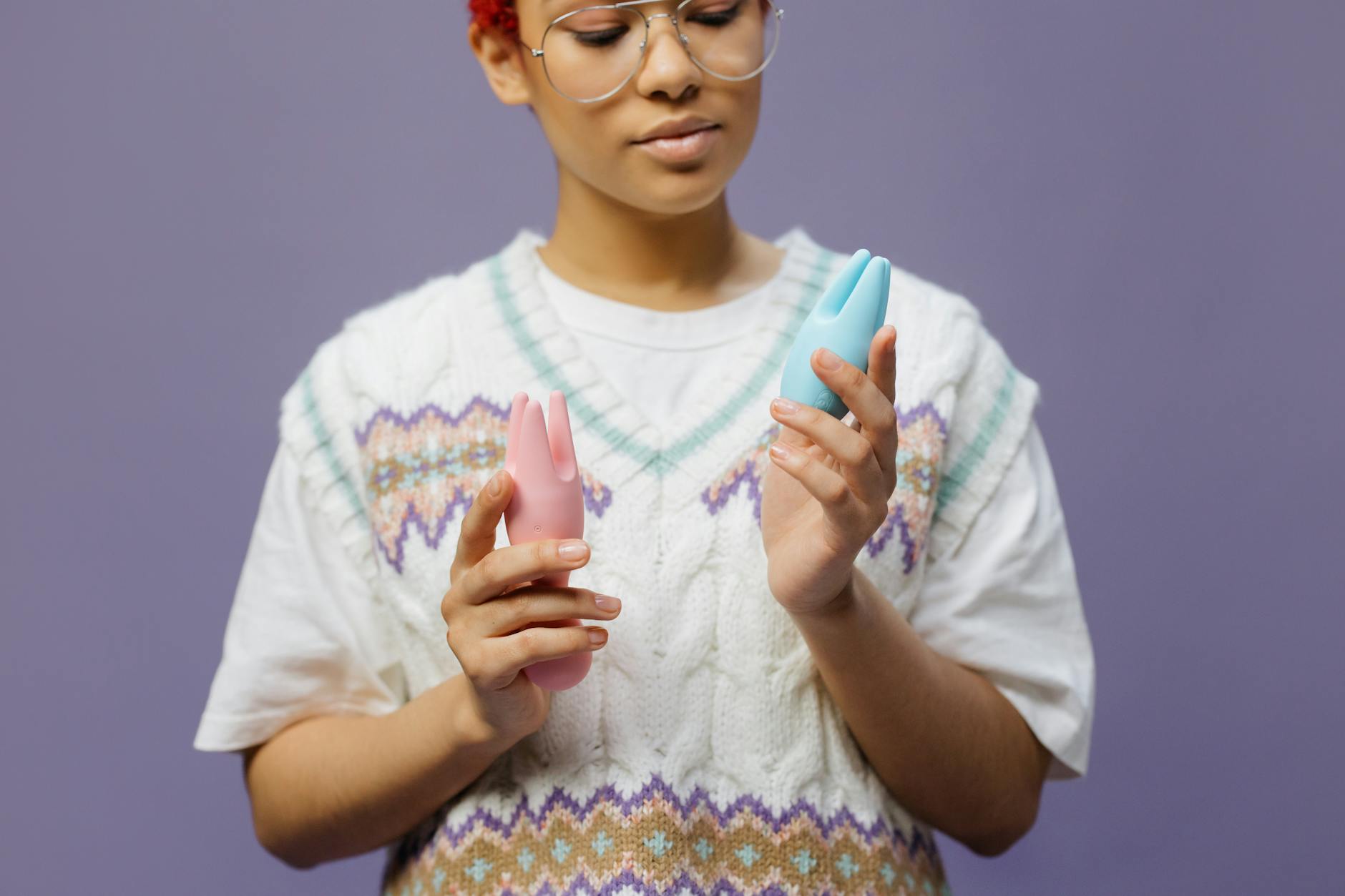
Photo by cottonbro studio on Pexels
Managing the fear that shows up
Some people feel physical fear during early recovery. A tightness in the chest, a jolt of panic, muscle tension that arrives without warning. This is your nervous system saying, "Wait. We learned that sensation means danger. Are we sure about this?"
If this happens, pause immediately. Breathe slowly. Put your hand on your chest or heart and just breathe for two minutes. You're signaling safety to your nervous system. Then either continue gently or stop and try again tomorrow. You're not failing. You're recalibrating.
Talk to your partner about this before you start, if you have one. Tell them what you're expecting, and tell them what you need if you get scared. For some people, that's continued gentle pressure. For others, it's complete stillness. For others, it's words: "You're safe. Your body is okay now." Figure out your own version.
When to check in with your doctor
If pain appears during pleasure, don't assume it's normal. Residual pain after medical clearance is worth investigating. Some people have scar tissue that needs attention. Some have nerve involvement that a physical therapist can help with. Some simply need more time. But you shouldn't have to work through sharp pain to rebuild pleasure.
If your numbness isn't gradually improving after four to six weeks of gentle exploration, mention it at your next appointment. Sometimes there's a medical explanation. Sometimes it's just your nervous system taking longer to come back online, and that's fine. But it's worth naming.
If you find yourself completely avoiding intimacy because you're terrified, that's also worth discussing with a therapist. Fear after injury is normal. Paralysis by fear is treatable, usually quickly, once you name it.
The mindset shift that changes everything
Here's what I tell people rebuilding intimacy after physical recovery: your body isn't broken. It's learning something new. You're not reclaiming what you had. You're discovering what you have now.
Your pleasure might feel different. It might take longer to build. It might surprise you with its intensity or disappoint you with its gentleness. It might fluctuate depending on your stress, your sleep, what else is happening in your life. That's normal for everyone, always. It's just more visible when you're paying close attention during recovery.
A lemon clitoral vibrator isn't a shortcut. It's a tool that lets you practice reconnection without shame, without pressure, and without waiting for the "right" moment that never comes. You start now, gently, with whatever sensation is available today. Tomorrow might feel different. That's not failure. That's healing.
People also ask
How long after injury is it safe to use a vibrator?
That depends on the type of injury and what your doctor said. Always get specific clearance from your medical team before resuming any sexual activity, including solo. Once you have that clearance, you can start gently with a lemon vibrator, but go slowly. If pain appears, stop and check with your doctor. Clearance to resume activity doesn't always mean clearance to jump in fully. Give yourself grace to start small.
Can using a lemon vibrator help rebuild sensation if I feel numb after illness?
Yes, but not quickly. Numbness after illness is usually your nervous system protecting itself, not permanent nerve damage. Gentle, regular exploration with a tool like a lemon vibrator can help wake up sensation over weeks or months. The key is consistency without pressure. If numbness hasn't improved after six weeks of regular, gentle exploration, check with a doctor or a pelvic floor physical therapist.
Is it normal to feel emotional or anxious when trying to rebuild pleasure?
Completely normal. Your body went through something hard. Your nervous system is still processing that. When you start exploring pleasure again, sometimes old fear comes up. Sometimes you feel grief for what you lost temporarily. Sometimes you feel relief or surprising joy. All of these are part of recovery. If anxiety becomes overwhelming or you find yourself avoiding intimacy entirely, talk to a therapist. That's treatable.
What if my partner wants to help but I feel too vulnerable?
That's valid information worth sharing. You might be ready for solo exploration but not partner involvement yet. Or you might need them present but not participating. Or you might need a specific kind of support, like verbal reassurance or physical holding. <a href="/blog/how-to-use-lemon-vibrators-for-deeper-connection-when-you-feel-disconnected-from-your-body">Building intimacy with a partner during recovery takes communication</a>. Tell them what you actually need, not what you think they want to hear.
How do I know if I'm healing at the right pace?
You're healing at the right pace for your body and your history. There's no external benchmark. Healing isn't linear. You might feel great one week and shut down the next. That's not regression. That's normal. Slow consistent progress matters more than steady progress. If you're noticing any improvement in sensation, anxiety, or pleasure over weeks, you're moving in the right direction.
Can lemon vibrators help if I have chronic pain or a chronic illness?
Sometimes. Lemon clitoral vibrators work well for gentle, controlled stimulation, which can help some people with chronic illness manage flares or explore pleasure on good days. But chronic pain is individual. What works for one person might aggravate another. Talk to your healthcare provider about what's safe for your specific condition. A pelvic floor physical therapist can be especially helpful here.
You get to take your time
Recovery is slow. Rebuilding pleasure is slower. You don't have to rush it, and you don't have to perform it. Your body has been through something. Your nervous system learned to protect itself. You're teaching it that pleasure is safe again, one gentle moment at a time. That's the whole goal. A lemon vibrator is just a companion on that journey, not a finish line.
If you have questions about how to integrate intimacy tools into your recovery, or if you'd like to talk through what your particular situation needs, <a href="/contact">reach out</a>. Recovery looks different for everyone.