Here's the thing nobody says out loud
Your partner touches you everywhere except where you actually come. They kiss your neck, they're enthusiastic about penetration, they warm you up—but the moment you need direct clitoral attention, they either rush it, avoid it entirely, or make it weirdly tense. And now you're stuck in a loop: you want what you want, they seem to actively not want to give it, and asking for it feels like asking them to fix something broken about how they desire you. It doesn't feel good.
This is wildly common. And it's not about you being high-maintenance.
Why some partners avoid external stimulation
There are usually a few things happening at once. Some partners genuinely don't understand how clitoral stimulation works—they learned sex as "penetration equals pleasure," full stop. Others find it physically uncomfortable to do for long enough to matter. Some grew up with messaging that external stimulation is "extra" or "selfish." A few struggle with the vulnerability of being asked for something specific.
But here's what matters: none of those reasons are actually about your partner not loving you. And more importantly, none of them mean you have to skip your own pleasure.

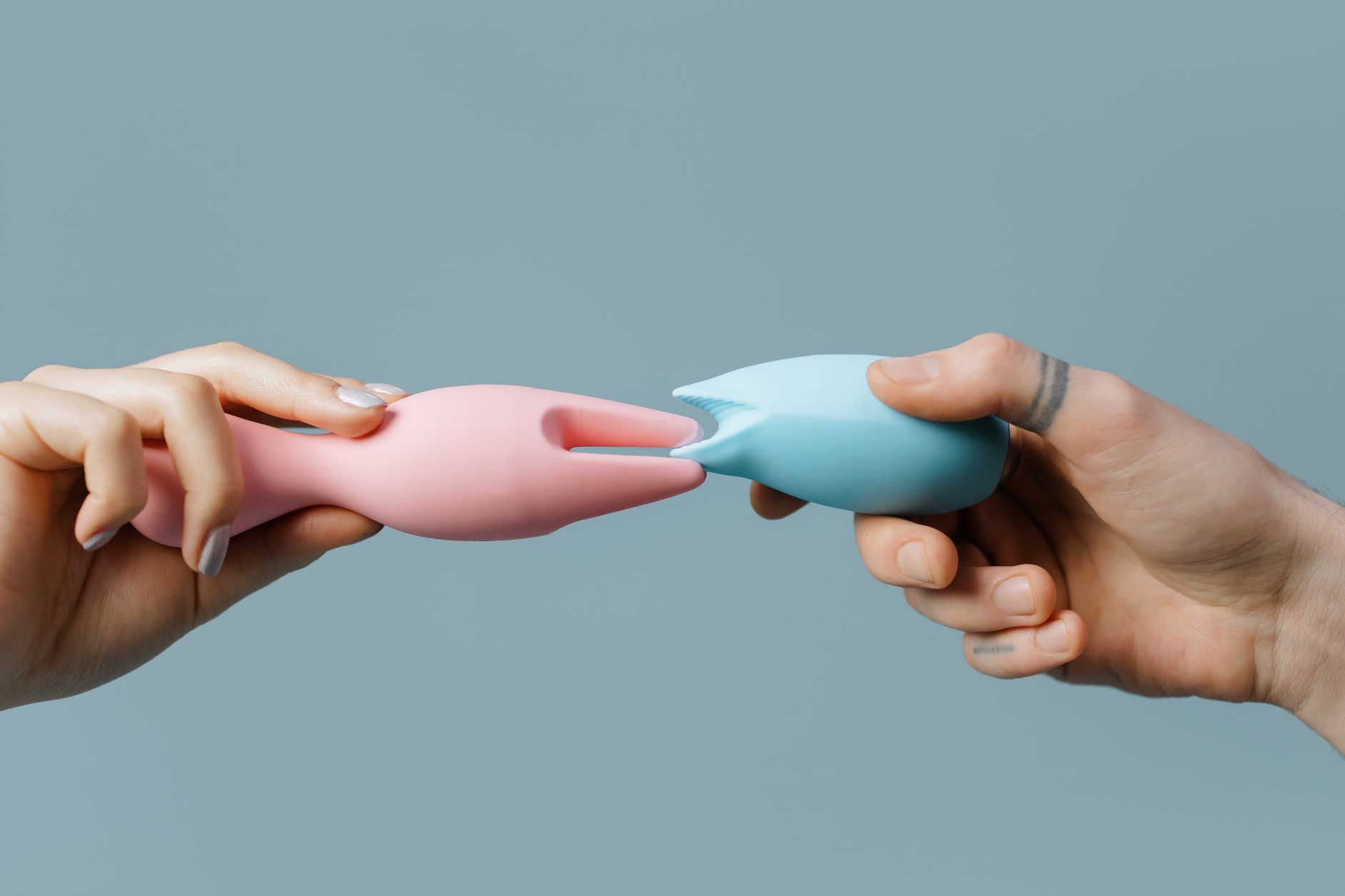
Photo by cottonbro studio on Pexels
Why lemon vibrators change the dynamic
Lemon vibrators—including the Lem clitoral vibrator and other lemon adult toys—aren't a workaround. They're a solution that actually works for both of you.
First, they remove the pressure from your partner. You're not asking them to spend 20 minutes doing something that makes their wrist hurt or makes them anxious about "doing it right." The vibrator does the work. Your partner can focus on what they're good at—whatever that is—while you get the external stimulation you need.
Second, they sidestep the negotiation. You're not saying "you never touch me there" or asking them to change their sexual instincts. You're saying "I want to use this during sex," which is factually different. It's not about what they're not doing. It's about what you're adding.
Third, they actually work. Lemon clitoral vibrators use suction or vibration patterns that your partner's hands genuinely cannot replicate for the duration and consistency you need. You're not settling. You're upgrading.
How to introduce it without it feeling like criticism
Timing matters. Not during sex, not when you're already frustrated. Pick a normal moment—dinner, a walk, whenever you talk about real stuff.
Frame it as desire, not complaint: "I've been thinking about trying something new during sex. I found this vibrator that's supposed to feel amazing." Not: "You never do external stimulation, so I got this."
Make it about curiosity, not correction: "I want to see what it feels like. Would you be interested in being part of that?" This gives them the option to be involved without obligating them.
If they seem hesitant, the conversation is usually easy: "It's not about what you're doing or not doing. It's just a thing I want to explore. You don't have to do anything different." That last sentence is the key. You're not asking them to change.
Using lemon vibrators during partnered sex
There are several ways to do this depending on what actually works for your body and your dynamic.
You hold it. This is the simplest. You use the lemon vibrator on yourself while your partner does whatever they'd normally do—penetration, kissing, whatever. They don't have to think about it. You're in control of pressure, timing, and sensation. This also means you can angle it exactly how you like it, which matters because clitoral anatomy is weirdly specific.
Your partner holds it. If they're open to it, they can use the vibrator on you while doing other things. The difference between them using a vibrator and using their hands is that they don't have to maintain pressure or rhythm. Suction-based lemon vibrators especially feel less like "work" to apply.
Alternating focus. You use it while they focus on penetration. Then they stop penetrating and pay attention to the rest of your body—your neck, breasts, whatever—while the vibrator handles the clitoral part. This keeps both of you engaged.
During foreplay. This is often the easiest entry point. Use the vibrator during the warm-up phase before penetration. It gets you properly aroused, which usually means penetration will feel better anyway. Your partner doesn't have to worry about whether you're ready. They'll know.
The emotional piece
I've worked with hundreds of couples where one partner was getting what they needed and the other felt resentful, guilty, or replaced. The key isn't the vibrator. It's conversation.
If your partner seems bothered by the vibrator, don't just use it quietly and hope they adjust. That breeds weird resentment. Instead, ask directly: "Does this bother you? Are you worried about something?" Usually it's one of a few things. They're worried they're not enough (he's not). They don't understand how you still want them if you need the vibrator (you do). They grew up thinking vibrators meant something was wrong (nothing is).
Your job is to be clear about three things: you still want them, the vibrator is solving a physical problem not an emotional one, and you're not asking them to change anything about themselves.
Their job is to sit with their own stuff instead of making it your problem.
When it actually opens things up
Here's what I've seen most often: once the pressure lifts, the sex actually gets better for both people. Your partner stops feeling like they're failing you. You stop feeling resentful that they're avoiding something. The vibrator becomes just a tool, like lube or a pillow under your hips—useful, not emotional.
Sometimes it even makes your partner more interested in external stimulation. Without the pressure, some people actually want to try. Others don't, and that's fine. Either way, the tension is gone.
Lemon vibrators aren't a band-aid for a relationship problem. But they're an honest solution to a physical mismatch, and they work best when you treat them that way.
FAQ: Lemon vibrators and partner dynamics
What if my partner feels threatened by the vibrator?
That's real and worth taking seriously. The most common fear is "you'd rather have the vibrator than me." The honest answer is: "I'd rather have both." A vibrator isn't a replacement for your partner. It's a tool that does one thing your partner's body might not be designed to do. You can also set a boundary: the vibrator is only used during partnered sex, not solo, if that helps them feel included. But honestly, that should be their choice, not a condition you accept.
Can I use lemon vibrators if my partner doesn't know?
Technically yes. Practically, no. Hiding it usually backfires. If they find out, it feels deceptive. If they don't, you're stressed the whole time. The energy you spend hiding it is energy you're not spending on pleasure. Better to have the conversation, even if it's uncomfortable.
What if my partner refuses to have sex with the vibrator present?
Then you have a different problem than a missing external stimulation. You have a partner who's controlling what happens with your body during sex. That's not a sexual compatibility issue. That's a boundary issue. You might benefit from talking to a therapist together about why they need that level of control.
Are lemon clitoral vibrators better than other brands for partnered use?
Lemon vibrators, including the Lem and other lemon sexual toys, are designed to be intuitive and quiet, which matters in partnered sex. But the "best" vibrator is the one that works for your body. What matters more is picking something that feels good to you and having a partner who's willing to work with it.
How do I know if my partner is actually okay with it or just pretending?
Ask. Not once, but occasionally. "Are you genuinely fine with this, or are you uncomfortable and not saying?" Some people need time to adjust. Some people are conflict-avoidant. You need to create space for them to be honest. That said, your partner's discomfort isn't your responsibility to fix by not using the vibrator. Your pleasure matters.
Can we use a lemon vibrator if we're trying to get pregnant?
Absolutely. Orgasms don't interfere with conception. Using a vibrator during partnered sex doesn't change that. The only thing that matters is timing (you need sperm in there), and a vibrator doesn't affect that.
The bottom line
Your partner avoiding external stimulation doesn't mean you have to avoid it too. Lemon vibrators solve this in a way that doesn't require your partner to change, doesn't require you to sacrifice your pleasure, and doesn't require years of awkward negotiation. It's a straightforward tool for a straightforward problem. Use it that way.