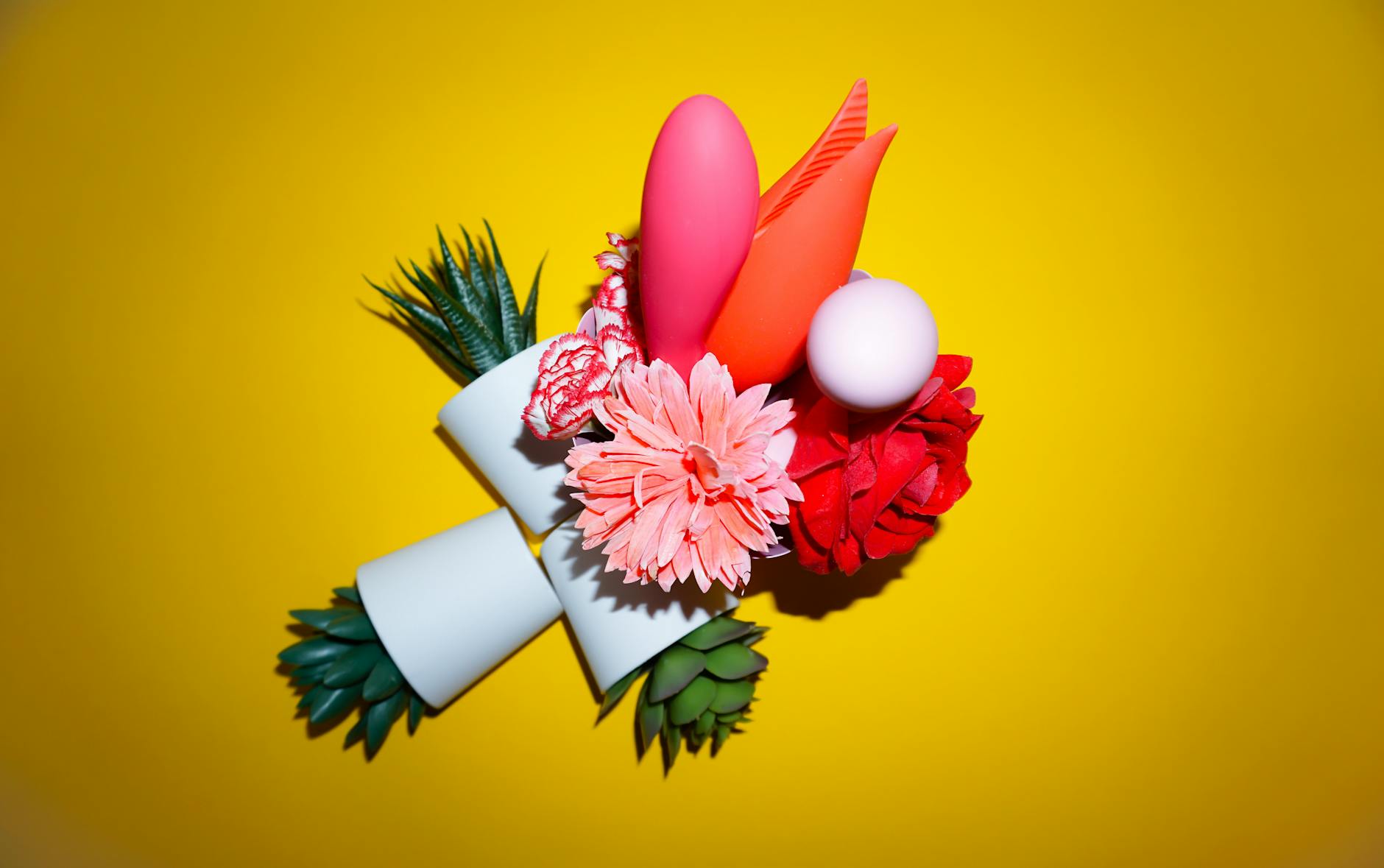
How to Use Lemon Vibrators for Pleasure During Perimenopause
Your body is shifting in ways no one prepared you for. Here's what changes during perimenopause, why lemon vibrators are surprisingly effective, and how to adjust your approach as your hormones fluctuate.
Perimenopause is not menopause. That distinction matters because the two feel wildly different, and they need different strategies. You're not post-anything yet. You're in the middle of a slow, unpredictable hormone storm that can last anywhere from four to ten years.
Your estrogen and progesterone are not declining steadily. They're bouncing. One month you're flooded, the next month you're dry. Your body doesn't know what it's doing, and honestly? Neither do most doctors. But what matters for pleasure right now is that these hormonal swings change how your body responds to touch, how quickly arousal builds, and what feels good in any given week.
Here's the thing that catches most people off guard: during perimenopause, your clitoral tissue gets more sensitive in some phases and less responsive in others. When estrogen is high, you might feel oversensitive. When it dips, you might feel almost numb. Both are temporary. Both are normal. Both require different touch strategies.
The vaginal tissue also changes during this window. It's not as dramatic as full menopause, but you might notice less natural lubrication on certain days, more blood flow and tenderness on others. Your pelvic floor muscles tighten and release differently depending on where you are in your hormonal cycle. Some women describe this as feeling "out of sync with themselves."
Your brain chemistry is also shifting. Serotonin and dopamine fluctuate along with estrogen. This means your motivation and pleasure capacity literally change throughout the month. You might feel wildly horny one week and completely uninterested the next. Again, this is normal. It's also temporary.
The design of lemon clitoral vibrators makes them ideal for perimenopause bodies in ways that other toys aren't. Here's why.
Unlike traditional vibrators, which rely on pure vibration frequency, The Lemon Sexual Toy uses a suction and pulse mechanism that works with your body rather than against it. When your clitoral tissue is oversensitive, suction provides stimulation without the kind of direct friction that can feel jarring or even painful. When sensitivity dips, the adjustable intensity settings let you increase the sensation gradually without forcing anything.
The smaller, targeted head means you can apply pressure exactly where you need it on any given day. During high-estrogen weeks when your clitoris might sit slightly differently or feel swollen, you have control over where the sensation focuses. This adaptability is what makes lemon vibrators so effective during perimenopause, when your anatomy feels different almost week to week.
The pulse patterns also matter. Consistent vibration can become numbing if you're already struggling with sensation changes. The varied pulse options on a lemon vibrator keep your nervous system engaged, which actually increases your capacity for orgasm even if your baseline sensitivity is lower.
If you're new to lemon vibrators during perimenopause, don't assume you need the highest intensity setting just because you're struggling to feel sensation. Most of my clients start too high and then feel defeated when it doesn't work.
Instead, begin on the lowest setting and spend real time with it. I mean 10-15 minutes minimum before you consider turning it up. Your nervous system needs time to recognize the sensation, especially if your hormones are keeping your arousal baseline lower than usual. Rushing the process defeats the purpose.
Pay attention to your cycle. If you track your period (or can at least estimate where you are in your cycle), try using your lemon vibrator during the week after ovulation, when estrogen is naturally higher. You'll likely feel more responsive. Then, intentionally try the same routine during your luteal phase (the week before your period) when estrogen is lower, and adjust your approach accordingly. This experimentation teaches you what your body actually needs at different times.
Water-based lubricant becomes increasingly helpful during perimenopause, even if you didn't need it before. Keep it nearby. Not because anything is wrong with you, but because supporting your body's natural changes means using tools that help. A thin layer of lube means faster arousal, less friction fatigue, and genuinely better sensation overall.
Perimenopause doesn't just change your body. It scrambles your mood, your patience, your sense of yourself. Some women report feeling disconnected from their sexuality during this time, not because their body is broken, but because their brain chemistry is in flux.
This is where slowing down becomes a tool, not a luxury. When your perimenopause hormones are making you feel irritable, anxious, or flat, pleasure can feel like one more thing you're supposed to accomplish. It's not. It's something you're reclaiming.
Use your lemon vibrator with no goal in mind. Not orgasm. Not even arousal. Just sensation. This sounds soft, but it's actually radical during perimenopause, when your body might not cooperate with traditional pleasure goals. Spend 20 minutes feeling texture, temperature, pulse. Let your nervous system remember what pleasure feels like without the pressure to perform.
You might find that solo exploration during perimenopause becomes more satisfying than partnered sex for a while. That's not a problem. That's information. How to Use Lemon Vibrators for Solo Pleasure When You're Managing Low Desire covers this dynamic in more detail, but the short version is: solo time right now is exactly what your nervous system might need.
If you're in a relationship, your shifting pleasure needs during perimenopause might surprise both of you. You might suddenly want more foreplay, or less. Different positions might feel better or worse. Your timing might shift entirely.
The temptation is to assume this means something's wrong with the relationship. Usually it just means you need different support. Introducing a lemon vibrator into partnered sex during perimenopause often shifts the dynamic in helpful ways. Instead of both of you chasing a goal that feels harder to reach, you're working together to explore what works right now.
Talk about it outside the bedroom first. Let your partner know that perimenopause is changing your pleasure timeline and that doesn't reflect anything about them or your desire for them. Then, show them how a lemon vibrator works for you during solo time. Demystify it. When they see you using it confidently and feeling good, the collaborative version becomes less awkward and more genuinely connecting.
If you're experiencing severe pain, flooding that affects your life, or mood changes that feel unbearable, perimenopause needs medical attention. Not because anything is wrong with using lemon vibrators, but because some perimenopause symptoms respond really well to targeted treatment. Hormone-balancing herbs, small doses of hormone therapy, lifestyle shifts, and pelvic floor physical therapy all exist and all work.
A good gynecologist or menopause specialist can help you figure out if what you're experiencing is standard perimenopause or something that needs specific intervention. Then you get to use lemon vibrators from a place of actual comfort rather than compensation.
One good lemon clitoral vibrator is all you need. The adaptability comes from adjusting your approach, not from switching toys. The Lemon Sexual Toy's multiple settings and pulse patterns mean you can dial in what you need on any given day. Start lower, stay patient, and let the intensity adjust as your body does. Most women find they prefer one familiar toy they understand deeply over rotating through several.
The suction and pulse mechanism works with your body's changing sensitivity instead of against it. Traditional vibrators rely purely on frequency, which can feel overwhelming when your clitoris is oversensitive or irritating when sensitivity is lower. Lemon vibrators give you precision and adaptability. You're not forcing your body to match the toy. The toy is matching your body. That difference matters when your body is shifting constantly.
No. Your capacity for orgasm isn't going anywhere. What changes is the pathway to get there. It might take longer. It might require different stimulation. It might happen more easily during certain weeks of your cycle. But the wiring is still there. Most women who struggle with orgasm during perimenopause find their rhythm returns once they adjust their approach and give their body time to respond. Lemon vibrators help because they're patient and responsive in ways many partners can't be during this phase.
Yes, especially during your luteal phase when hormone drops are more pronounced. Water-based lubricant isn't a sign of failure. It's a sign you're paying attention to what your body needs. Some weeks you won't need it. Other weeks, a thin layer makes everything easier and more pleasurable. Keep it nearby and use it without guilt.
Completely normal. Declining progesterone can tank your motivation. Stress from other life changes happening simultaneously (aging parents, kids leaving, career shifts) also pulls sexual desire into the background. The absence of interest is temporary and often reversible. Lemon vibrators help because they reintroduce pleasure on your own terms, without pressure or performance anxiety. Solo exploration often reignites interest in partnered sex once the pressure lifts.
Absolutely. Hormone therapy and lemon vibrators work well together. If anything, HT can increase your responsiveness because it's stabilizing your hormone swings. Use the same approach: start low, adjust as needed, pay attention to what your body is responding to. Some women find that hormone therapy plus lemon vibrator exploration together creates the most dramatic shift in pleasure capacity.
Perimenopause is temporary. The unpredictability is real, but it's not permanent. Your body is not broken. It's reorganizing. And for the next several years, lemon vibrators are one of the most effective tools for maintaining pleasure capacity while your hormones sort themselves out.
Your pleasure matters during this phase. Not as a consolation prize or a way to prove your body still works, but because staying connected to sensation is how you move through perimenopause with your sexuality intact. Use tools that meet you where you are. Adjust your expectations often. And trust that the person you're becoming on the other side of this is not less sexual. She's different. And in most cases, she knows what she wants far better than the version of you standing here right now.