Let's be real about what "midlife" actually does to desire
Your libido didn't disappear. It got crowded out. Between the kids launching into their own lives, career pressure crystallizing into actual stakes, aging parents needing attention, and the simple neurological fact that novelty wears off after 15 or 20 years with the same partner, desire doesn't get starved. It gets deprioritized. Survival mode eats sexuality alive.
Then one day you notice: sex feels obligatory. Or you don't think about it at all. Or it happens, but you're not really there. And here's the data twist that changes everything. Most midlife desire drops aren't actually about hormones, attraction, or your body. They're about cognitive load and permission. Your brain is too full, and some part of you has decided pleasure isn't urgent.
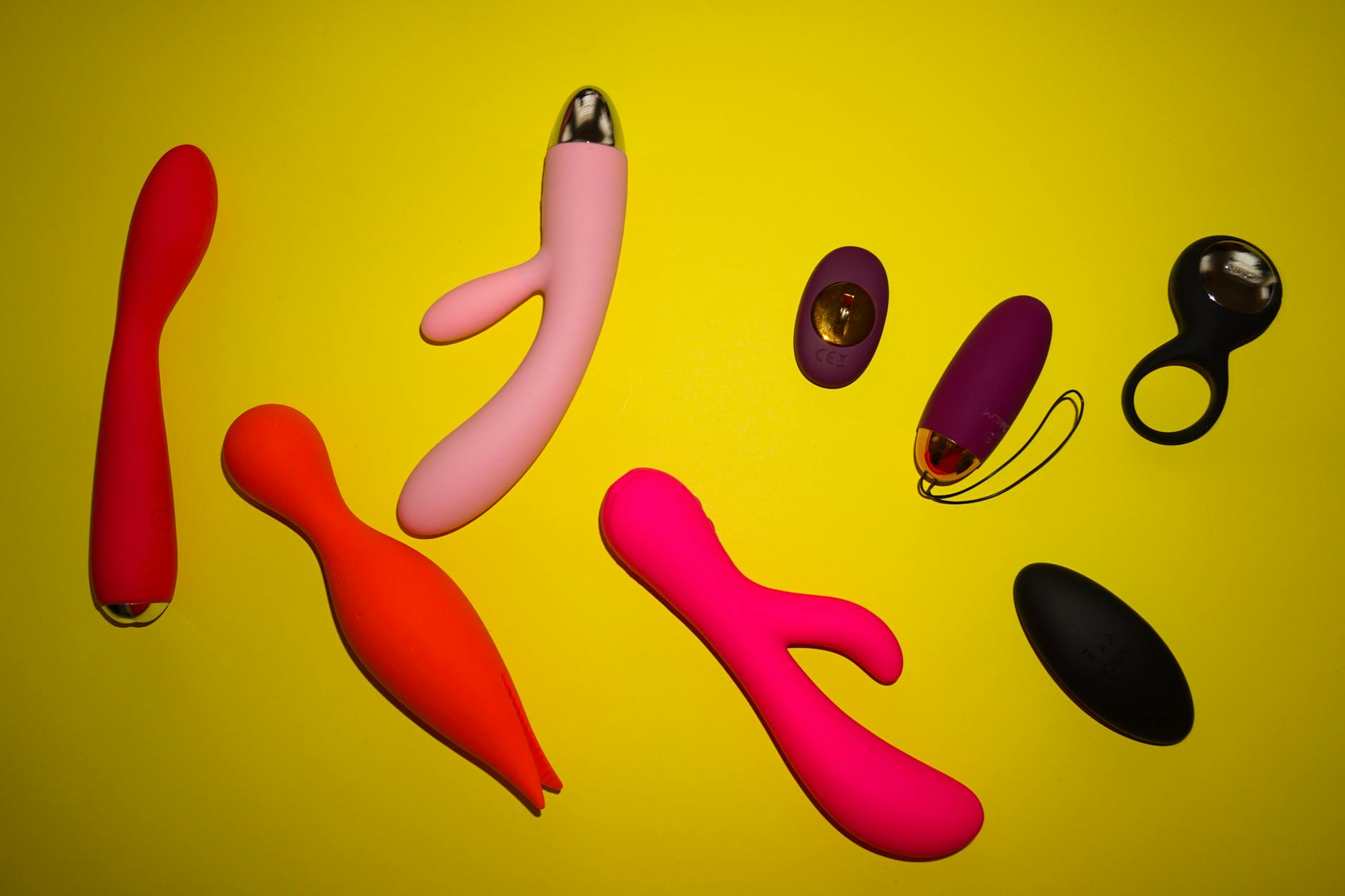
The good news is that's fixable, and clitoral vibrators like those from The Lemon Sexual Toy often become the fastest on-ramp back to wanting sex at all.
Why midlife transitions specifically tank desire
Three separate systems collapse at once. First, your nervous system is chronically activated. Kids' schedules, aging parents, career turbulence, financial anxiety. Your body lives in low-grade fight-or-flight. Arousal requires the opposite. Your parasympathetic nervous system has to kick in. That's hard when you've been running on adrenaline for five years.
Second, relationship novelty is gone. This sounds romantic and tragic, but neurologically it's simple. The dopamine spike that new partners generate? That's not love. That's novelty. It fades. After 15 years, your brain doesn't get a jolt from your partner's face. That's not a sign the relationship is dying. It's a sign your brain has efficient neural pathways. The fix is building novelty into the relationship itself, not waiting for it to reappear.
Third, and this one gets skipped in most advice, you've probably internalized the message that needing help is cheating. That using a toy means your partner isn't enough, or that desire should just happen automatically. By midlife, you might have built a whole identity around not being "that person" who needs external tools. Clitoral vibrators challenge that belief, and the challenge itself is liberating.
The mental map that kills sex
Here's what I hear from clients most often. Sex used to feel like a mutual thing we fell into. Now it feels like something I have to initiate, schedule, or want enough. By the time my partner makes space for it, I'm touched out, tired, or just not in the headspace.
That's the cognitive load talking. You're carrying the invisible labor of household management, emotional labor with your kids or aging parents, and the mental tax of monitoring everyone's wellbeing. Sex isn't just sex anymore. It's one more thing on a list that's already too long.
The solution isn't more willpower or date nights (though those help). It's lowering the friction between you and pleasure. This is where lemon clitoral vibrators make a material difference. They're not a substitute for your partner. They're a way to experience pleasure on your own timeline, in 10 minutes instead of an hour, without negotiating or managing anyone else's experience.
Why clitoral vibrators work when desire is low
When your brain is in scarcity mode, direct clitoral stimulation bypasses a lot of the cognitive overhead. You don't have to warm up for 25 minutes. You don't have to manage someone else's pace. You don't have to wonder if you're taking too long or being difficult. The Lem and other suction-based vibrators particularly work well here because they don't require the buildup that traditional vibration does.
They work fast. Fast is important. When you have 10 minutes and low baseline desire, you need a tool that doesn't ask you to find your way to arousal. You need one that creates the conditions for arousal quickly.
There's also a psychological reset happening. Using a clitoral vibrator solo is permission. Permission to prioritize your pleasure. Permission to take 10 minutes that are only about you. That might sound small, but for someone who's been operating in service to everyone else's needs, it's revolution.
Rebuilding your relationship to pleasure
The most important shift is separating solo pleasure from partnered sex in your mind. Right now, you might be thinking: if I use a vibrator, I'm admitting I can't climax with my partner. That's the old logic talking. Modern logic says: I can experience pleasure solo, partnered, with a toy, without a toy, and none of it cancels anything else out.
Start with solo sessions. Once or twice a week, give yourself 15 minutes with a lemon clitoral vibrator. No agenda beyond feeling good. Notice what patterns emerge. Are you more interested in pleasure after you've had solo sessions? Do you think about sex more? Does the experience reconnect you to your body?
Then, when you're ready, introduce the toy into partnered sex. Not as a replacement for your partner, but as a tool that changes the dynamic. Your partner stimulates you one way while you use a vibrator another. Or your partner uses the vibrator on you. The novelty of doing something different matters more than the specifics.
The conversation with your partner
If you're coupled, you need to name what's happening. Not to blame them. To create shared understanding. I've noticed we've both kind of deprioritized sex. Not because I'm not attracted to you, but because our lives are full. I want to rebuild this, and I think using a tool might help me get curious about pleasure again.
That's not the same as saying you're broken or they're not enough. You're saying the system isn't working and you want to change it.
If your partner gets defensive (some do), the conversation shifts. Using a vibrator isn't about you. It's about reclaiming a part of myself. I want to feel alive in my body again. That usually resonates.
What happens after you start using lemon vibrators again
Within a few weeks, something shifts. Desire starts rebuilding. Not dramatically. But you start thinking about sex again. You initiate. You're curious. And here's the part nobody tells you: you often start orgasming differently. Harder, faster, more reliably. Which is its own kind of reconnection.
Many of my midlife clients report that once they give themselves permission to use a toy, partnered sex improves. Because now they know exactly what works. They're not wondering if they can climax. They know they can, with the right stimulus. That confidence is wild.
When to push past discomfort
Some people use a clitoral vibrator once and feel weird about it. That's normal. Our culture has packaged shame around anything that looks like needing help. But notice: you don't feel weird about reading glasses. You don't feel weird about a coffee maker. You feel weird about a vibrator because we've assigned moral weight to pleasure that doesn't exist anywhere else in your life.
If you're uncomfortable, that's usually worth pushing into. Not forcing. Pushing. Small sessions. Different settings. Different contexts. Often the discomfort dissolves after three or four uses.
If discomfort turns into pain or you notice your body contracting, stop. That's a different conversation, maybe with a pelvic floor specialist.
The real win
Rebuilding libido after midlife transition isn't about your partner trying harder or you finding more willpower. It's about removing friction, giving yourself permission, and using the right tools. Lemon clitoral vibrators aren't magic. They're physics. Direct stimulation, no cognitive overhead, and a permission structure built into the device itself.
Your sexuality isn't broken. It's sleeping. And sometimes the simplest way to wake it up is to stop waiting for desire to return on its own and instead build the conditions for it to flourish. That starts with 15 minutes, a toy that works, and the radical belief that your pleasure matters.