How Lemon Vibrators Improve Sensitivity When You Have Low Estrogen
Tissue changes when estrogen drops. Suction-based clitoral vibrators work differently than traditional toys because they don't require friction. Here's what changes, and why.
Let's be real. When estrogen drops, your tissue doesn't stop working. It changes. The vulva and vaginal opening become thinner, less elastic, and drier. Blood flow to the clitoris decreases, which means arousal takes longer to build and the usual friction that once felt amazing can now feel uncomfortable or even painful.
Most vibrators work through direct oscillation. They buzz against tissue, creating friction and stimulation through vibrations alone. When tissue is thicker and more elastic (which it is with higher estrogen), this works brilliantly. The friction warms the tissue, increases blood flow, and builds arousal predictably.
When estrogen drops, that same friction can feel too intense too quickly, or worse, irritating rather than pleasurable. You might notice your favorite toy suddenly feels harsh. That's not your fault. It's physiology.
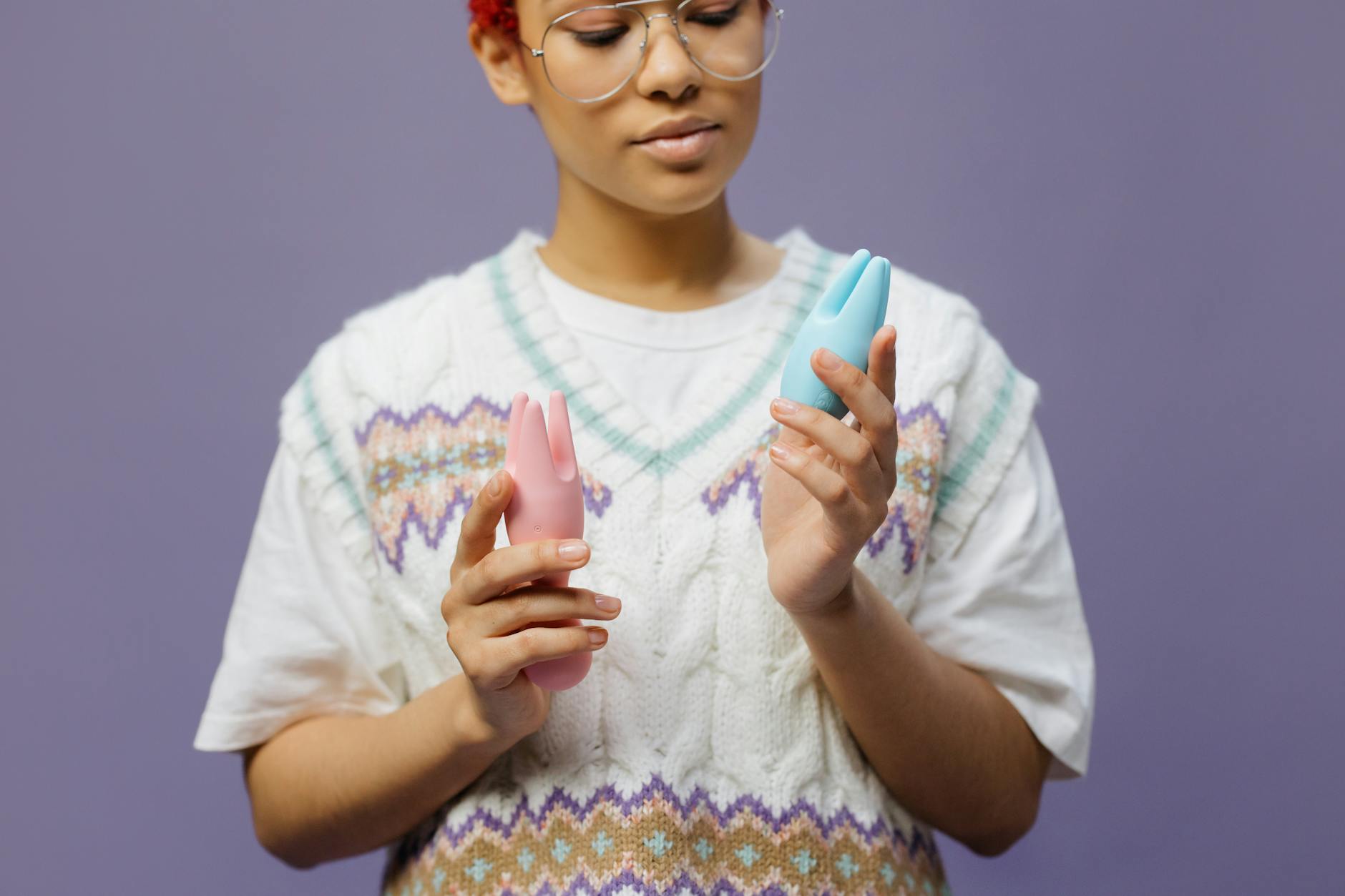
Lemon clitoral vibrators work differently. Instead of vibration alone, air-suction technology creates gentle pressure and release cycles that stimulate the clitoral complex without relying on friction. Think of it as rhythmic pressure instead of surface vibration.
1. No friction requirement. Suction stimulates the entire clitoral structure, not just the surface. This means you get intense sensation without the tissue damage risk that comes with direct oscillation on thin, fragile skin.
2. Gentler initial contact. You can start at lower intensities with a lemon vibrator and gradually increase. Many people with hormonal shifts find they need 15 to 25 minutes of warm-up anyway. Suction lets you extend that comfortably without discomfort building.
3. Different nerve activation. The clitoris has thousands of nerve endings organized in specific patterns. Suction activates them in a wave, rather than a rapid buzz. For tissue that's become less responsive, this wave pattern often feels more intense and more pleasurable than traditional vibration.
Low estrogen happens in several contexts. Perimenopause, menopause, hormonal birth control, certain medications, or medical treatment like radiation or chemotherapy can all cause it. Each situation is different, but the tissue response is consistent.
Estrogen is what keeps vulvovaginal tissue thick, elastic, and well-vascularized. Without it, tissue atrophies slightly. This is medically called genitourinary syndrome of menopause, though the changes happen in other low-estrogen contexts too.
The good news: this isn't permanent, and it's not a reason to give up on pleasure. It's a reason to switch tools. A lemon clitoral vibrator is designed for exactly this shift.
If you've only used traditional vibrators, suction feels foreign at first. That's normal. Here's how to ease in:
Start with the lowest intensity setting. Seriously. Most lemon vibrators like the Lem have 8 to 12 intensity levels. Begin at level 1 or 2. The sensation is gentler than you'd expect, and you're building arousal slowly.
Apply water-based lubricant generously. This isn't optional. It reduces any dragging sensation and helps create the seal that makes suction work. Silicone-based lubes will damage silicone toys, so stick to water-based.
Give yourself 20+ minutes. Low estrogen means arousal is slower. Don't rush. The lemon vibrator works best when you're already partially aroused. Use 15 minutes for foreplay or solo exploration, then introduce the toy.
Adjust the suction cup angle. Most lemon clitoral vibrators have a flexible cup. Experiment with angle. Some people find a direct seal works best. Others prefer a slightly tilted angle that focuses on one side of the clitoris.
Low estrogen means less natural lubrication. This is real and frustrating, but it's also completely addressable. External water-based lubricant doesn't feel quite like natural lubrication, but it's often better for sensation because it's more stable and longer-lasting.
Honestly, the combination of a lemon sucker plus good lubricant transforms many people's experience. The suction creates a seal that keeps the lubricant exactly where it should be, the friction is minimal, and the sensation builds steadily instead of spiking abruptly.
If you've tried traditional vibrators with lubricant and they still felt uncomfortable or unsatisfying, try a suction-based toy. The mechanism is just fundamentally different.
You might notice your orgasm feels different. That's not bad. Low estrogen can change orgasm intensity or shape. Some people report more localized sensations. Others find their orgasms feel deeper or more full-body because of the suction mechanism itself.
You might also find you need different stimulation patterns. With traditional vibration, a consistent rhythm works for many people. With suction, you might prefer to vary intensity levels during your session, letting sensation build and ease instead of staying flat.
Give yourself at least three sessions before deciding if it's working. Arousal is complex, and your body is adapting to a new sensation. The first time is almost always weird. The second time is usually better. By the third or fourth, most people report significantly improved pleasure compared to their old toys.
If low estrogen is severe (like after radiation, or deep in menopause), you might benefit from combining a lemon vibrator with topical estrogen cream. These are applied directly to the vulva or inside the vagina and have minimal systemic absorption. They rebuild tissue thickness and elasticity over 4 to 12 weeks, making everything feel better.
You don't have to choose. Topical estrogen plus a suction-based toy is often the most effective combination. One rebuilds tissue. The other adapts to your current tissue state and helps you feel pleasure while that rebuilding happens.
Similarly, if you have a partner, communication matters massively. Low estrogen isn't a you-problem. It's a situation that affects both partners. Many couples find that explicitly naming the shift ("my body is responding more slowly," "I need different stimulation") actually deepens their intimacy because it removes the anxiety and replaces it with clear information and shared problem-solving.
That's where a lemon clitoral vibrator fits in. It's not hiding or compensating. It's an active tool that works with your body as it is right now.
Suction-based toys stimulate the clitoris through gentle pressure and release cycles rather than surface friction alone. Low-estrogen tissue is thinner and more delicate, so friction-heavy toys can feel uncomfortable or irritating. Suction works differently. It activates the entire clitoral complex without requiring that tissue damage risk. Plus, you can control intensity more precisely on a lemon vibrator, which matters when arousal builds slowly.
Most people notice a shift within three to five sessions. The first use is often surprising or strange because suction is a different sensation than vibration. Give it time. By session three or four, your body understands the pattern and pleasure typically increases significantly. If you're not feeling better by session five, you might need a different intensity level or more exploration around angle and speed variation.
Absolutely. They work together. The cream rebuilds tissue over weeks. The toy helps you experience pleasure while that's happening. Most people find they're more comfortable using the toy a few hours after applying estrogen cream, just so the cream has time to absorb. Timing doesn't matter urgently, but it can feel more pleasant if you let a little time pass.
Start at the lowest intensity level (often level 1 or 2) and spend 15 to 20 minutes on foreplay or arousal-building before introducing the toy. Low estrogen means slower arousal, so giving yourself a longer warm-up changes everything. If it's still intense, try tilting the cup slightly so the seal isn't perfectly direct. Experiment with angle. Some people also find that loosen-then-re-seal cycles help: activate the toy for a few seconds, remove it, wait a moment, then reapply. This eases the intensity while keeping the sensation.
Always use water-based lubricant with silicone toys, and lemon vibrators are silicone. Silicone lubes will damage the toy. Water-based lubes are often lighter and less viscous than silicone or oil-based alternatives, so they can feel less luxurious at first. If you find water-based lube unsatisfying, look for formulas specifically designed for sensitivity or low-lubrication situations. These tend to feel richer and last longer than basic water-based options.
Completely normal. Low estrogen changes how sensation registers and how orgasms build. Combined with a different toy mechanism, your orgasm might feel more localized, more full-body, or just different in timing or intensity. That's not worse. It's just different. Many people report they're actually more satisfied with their new orgasm experience because the suction mechanism creates a different kind of sensation than they'd experienced before.
Low estrogen is a physiological reality, not a failing. Thousands of people experience it and adapt successfully. The tools available now, especially lemon clitoral vibrators designed with suction technology, make that adaptation feel good instead of like a compromise.
If pleasure has felt distant or uncomfortable, the reason isn't that your body is broken. It's that you've been using a tool designed for different tissue. Switching to a toy that works with your current physiology, combined with patience and good communication with any partners, changes the entire experience.
You deserve pleasure that feels good right now. Not eventually. Not after hormones shift back. Now. A lemon vibrator is built for exactly that.